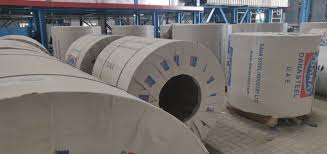
Uses of PPAZ:
PPAZ Coils are widely used in industries requiring lightweight, durable, and aesthetically appealing materials. Key applications include:Sandwich Panels: Used for cold storage, industrial buildings, and prefabricated structures due to their thermal insulation properties and strength.
Roofing and Cladding: Ideal for residential, commercial, and industrial roofing and siding solutions.
Flashings: Used as trims and finishing components in roofing systems, providing an additional layer of protection and aesthetic appeal.
HVAC Systems: Applied in ducting and equipment enclosures.
Agricultural Buildings: Used in barn roofs, grain silos, and storage sheds due to its ability to withstand environmental stress.
Types of PPAZ:
Base Material Composition:
Aluzinc 55% Aluminum-Zinc Alloy Coated Steel: Offers exceptional corrosion resistance.
Coating Types (as per ASTM A755/A755M):
Polyester (PE): Economical with good weather resistance.
Silicon-Modified Polyester (SMP): Enhanced durability and color retention.
Polyvinylidene Fluoride (PVDF): Superior UV resistance and longevity.
Polyurethane (PU): Improved scratch resistance and flexibility.
Thickness:
Coils are available in a variety of thicknesses to meet different strength and application requirements.
Finish Options:
Glossy, matte, or textured finishes based on aesthetic requirements.
Functions of PPAZ:
Corrosion Resistance: Provides superior protection against moisture, chemicals, and environmental pollutants.
Thermal Reflectivity: Reflects heat, reducing energy consumption in temperature-controlled environments.
Aesthetic Enhancement: Available in various colors and finishes for attractive architectural designs.
Structural Integrity: Provides strength and durability for lightweight construction.
Weather Resistance: Withstands extreme temperatures, UV radiation, and harsh weather conditions.
Maintenance and Longevity of Prepainted Aluzinc (PPAZ) Coils
To maximize the performance and lifespan of Prepainted Aluzinc (PPAZ) Coils, proper maintenance practices are essential. These coils, when manufactured as per ASTM A755/A755M standards, are engineered for durability and long-term performance in applications like sandwich panels, roofing, and flashings. Below is an outline of maintenance practices and factors contributing to their longevity:
Maintenance Guidelines
Regular Cleaning: Periodically clean the surface with mild detergent and water to remove dirt, salt, and other contaminants, Use a soft cloth or sponge to avoid scratching the painted surface.
Inspection: Conduct routine inspections for signs of damage, corrosion, or paint peeling, Pay close attention to overlaps, fasteners, and exposed edges where wear may occur more quickly.
Repairs: Address scratches or exposed metal areas promptly with touch-up paint to prevent corrosion,Replace damaged or severely corroded sections as necessary.
Drainage Management: Ensure gutters, downspouts, and drainage systems are clear to prevent water accumulation on the panels or roof.
Avoid Abrasive Tools: Do not use abrasive cleaning tools or harsh chemicals that could damage the coating or underlying metal.
Prevent Direct Contact with Wet Materials: Avoid prolonged contact with wet cement, wood, or other materials that can accelerate degradation.
Factors Contributing to Longevity
High-Quality Coating: PPAZ Coils with coatings such as PVDF, SMP, or PU provide superior UV and chemical resistance, extending the product’s lifespan.
Corrosion Resistance: The aluminum-zinc alloy base offers excellent resistance to rust and oxidation, even in harsh environments.
Environmental Suitability: Designed to withstand a variety of climates, including humid, coastal, and industrial areas with high pollution levels.
Proper Installation: Ensure proper installation techniques, including the use of compatible fasteners and sealants, to prevent premature wear.
Maintenance Routine: Regular maintenance enhances the longevity by preventing small issues from escalating into major problems.
Thermal Stability: The reflective properties of Aluzinc coatings reduce thermal expansion and contraction, minimizing stress and extending product life.
Expected Lifespan
When maintained appropriately, PPAZ Coils can last for 20–40 years, depending on the application and environmental conditions. For example:
Sandwich Panels: Typically last 25–30 years in well-maintained and sheltered environments.
Roofing: Can endure 20–40 years, depending on weather exposure and upkeep.
Flashings: Lifespan aligns with the roofing or cladding system it supports.
Installation Techniques and Best Practices for Prepainted Aluzinc (PPAZ) Coils
Proper installation of Prepainted Aluzinc (PPAZ) Coils is crucial to ensure optimal performance, structural integrity, and a prolonged lifespan. Following the recommended techniques and best practices, while adhering to ASTM A755/A755M standards, ensures durability and aesthetic appeal in applications like sandwich panels, roofing, and flashings.
Installation Techniques
Preparation:
Inspection: Before installation, inspect the coils for any visible damage, such as scratches or dents, and ensure the coatings are intact.
Handling: Use proper equipment to handle the coils to prevent bending, scratches, or deformation. Avoid dragging the coils on rough surfaces.
Cutting:
Use clean, precise cutting tools such as guillotine shears or nibblers to avoid damaging the coating.
Avoid using abrasive tools that generate heat, as this can damage the coating and underlying metal.
Fastening:
Use fasteners that are compatible with the Aluzinc material to prevent galvanic corrosion.
Ensure fasteners are installed perpendicular to the surface to avoid stress points.
Use washers to distribute pressure evenly and create a watertight seal.
Overlap and Sealing:
Provide proper overlaps (typically 150–200 mm) between panels to ensure weather resistance and structural integrity.
Apply high-quality sealants or tapes at overlaps to prevent water ingress and maintain air-tightness.
Thermal Expansion Management:
Allow for thermal expansion and contraction by leaving adequate space at panel joints or using sliding clips.
Avoid overtightening fasteners, which can restrict movement and cause buckling.
Protective Film Removal:
If the coils come with a protective film, remove it after installation to prevent adhesive residue from sticking to the surface.
Safety Precautions:
Follow all safety protocols, including the use of harnesses, gloves, and protective eyewear when working at heights or handling sharp edges.
Conclusion of PPAZ:
Prepainted Aluzinc (PPAZ) Coils are versatile, high-performance materials designed to meet the demanding needs of modern construction and industrial applications. Their combination of durability, thermal efficiency, and aesthetic options makes them the preferred choice for sandwich panels, roofing, and flashings. With their compliance with ASTM A755/A755M standards, these coils ensure reliable performance and long-term value, contributing significantly to the sustainability and efficiency of projects.
 UAE & International Sales Inquiries